Skip to content

The Future of Diagnostics: Integrating
 Thermography and Ultrasound

A Multimodal Approach to Enhanced Imaging
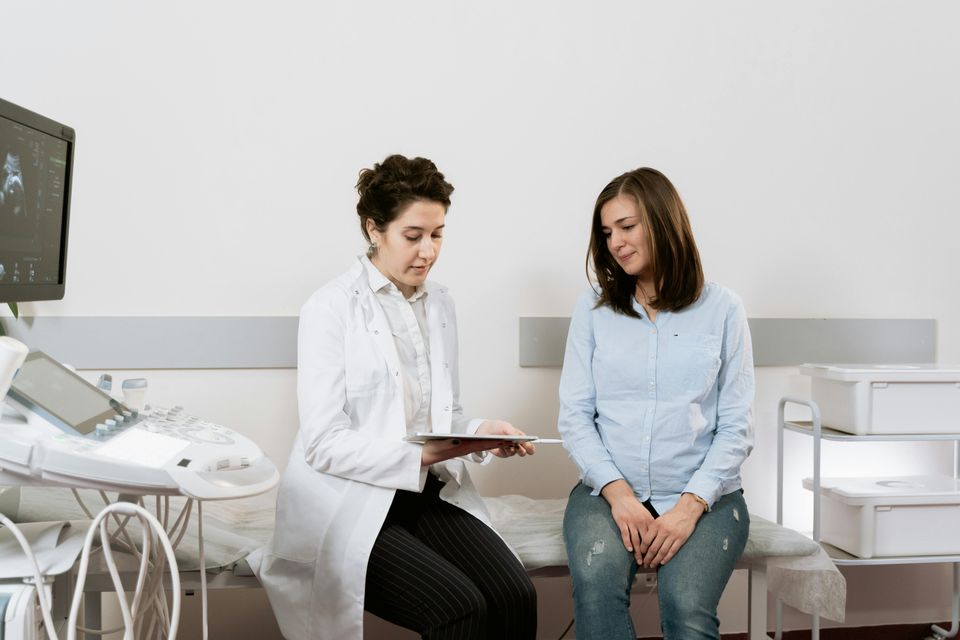
Using ultrasound and thermography together can provide a more comprehensive approach to breast screening because each technology looks at different aspects of breast health. Ultrasound uses sound waves to create images of breast tissue, making it especially useful for identifying cysts, solid masses, and abnormalities in dense breast tissue where mammograms may be less effective. It is noninvasive, radiation-free, and can help distinguish between fluid-filled and solid lumps. Thermography, on the other hand, detects heat patterns and blood flow changes on the surface of the breast. Since increased blood vessel activity and inflammation can sometimes be associated with abnormal tissue growth, thermography may reveal physiological changes before structural changes become visible on imaging studies.
Pexels mart production 7089329
When combined, ultrasound and thermography may complement one another by providing both anatomical and functional information. Thermography can highlight areas of concern that may warrant closer evaluation, while ultrasound can further examine those areas to determine whether a physical abnormality is present. This combination may be particularly appealing for women seeking additional screening options, especially those with dense breast tissue or concerns about repeated radiation exposure.

The Thermography/Mammography Debate

  • Alternative vs conventional medicine
  • Thermography is firmly rooted in the alternative world, where the concept of disease prevention through lifestyle change is well-accepted. 
  • Conventional medicine is based on surgical procedures and pharmaceuticals. 
    • It can’t deal with something that is too early to be diagnosed. 
    • Only you can do that.

  HOWEVER….
 
  • as medicine becomes more integrative, many of these issues will disappear.
  • Thermography will become more accepted as paradigms change and perspectives broaden.